A few hours before guests arrive, a tented wedding site rarely looks glamorous.
There are forklifts moving quietly across the property. Production teams clipping café lights overhead. Floral designers unpacking stems by the hundreds. Generators humming softly in the background. Someone is steaming linens. Someone else is spot cleaning a floor that guests will never realize did not exist 48 hours earlier.
And then, almost impossibly, the transformation happens.
By evening, the property no longer feels like your family’s ranch, childhood backyard, or inspiration photo you saved on Pinterest. It feels cinematic. And somehow, unmistakably you. Candlelight flickers against the tent canopy. Music carries through the air. Champagne trays pass beneath glowing chandeliers. Guests walk in believing it all appeared effortlessly.
That illusion, the feeling that a wedding simply belongs there, is what makes tented celebrations so extraordinary. It is also what makes them one of the most complex and misunderstood categories in the luxury wedding industry.
One of the first questions couples ask is simple: What does a tented wedding actually cost?
The answer, however, is rarely straightforward.
Because no two tented weddings are ever truly alike, and thank God.
A sailcloth tent set on a perfectly flat lawn for 80 guests is entirely different from a multi-day celebration on a remote estate requiring engineered flooring, layered structures and full-scale power distribution. Both technically fall under the same category. Yet behind the scenes, they function like different worlds.
Recently, luxury event planner Lauren Prattes of Lauryn Prattes Events compared wedding budgets to handbags — something that felt surprisingly accurate.
A timeless designer clutch and a custom Hermès Birkin are both handbags, but the craftsmanship, labor and infrastructure behind them are vastly different. Tented weddings operate much the same way. Some are elegant in their simplicity. Others are architectural undertakings requiring months of coordination before the first guest arrives.
And often, the most expensive details are the ones guests never notice.
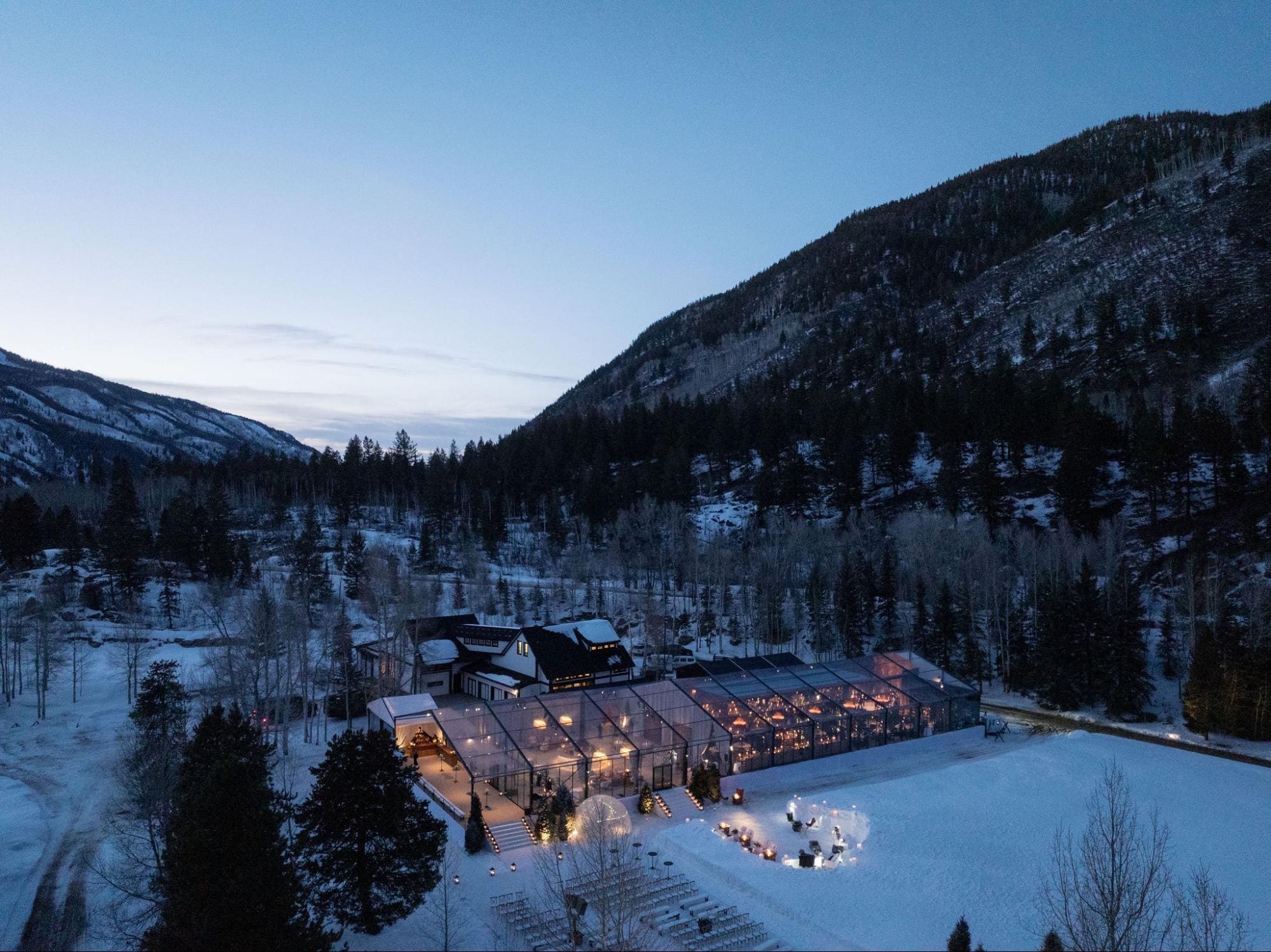
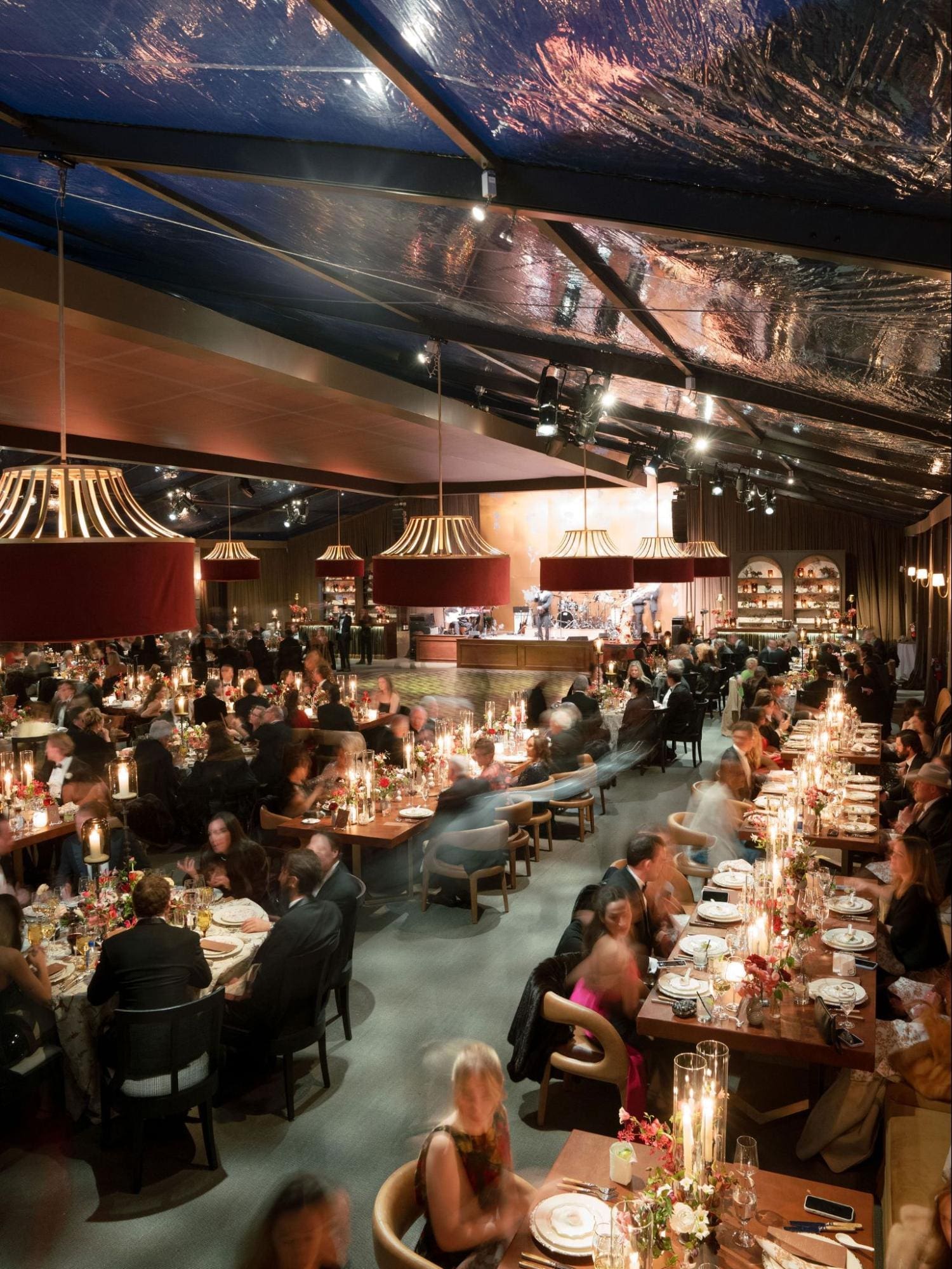
This becomes especially true for destination weddings or celebrations hosted on remote private properties, where much of the budget is tied directly to operational infrastructure rather than visible design elements.
Trucking equipment across state lines. Fuel costs. Crew travel and hotel accommodations. Staff meals. Staging materials. Extended labor. Multi-day installations.
These are the very real operational costs required to physically transport and build an entire temporary venue in a remote location.
Which is why destination or travel-based tented weddings often carry significantly higher infrastructure costs than couples initially expect. While a proposal may appear dramatically larger on paper, much of that increase is simply the reality of executing a highly customized event far from traditional venue resources.
And in many ways, that is the hidden art of tented wedding production: creating an environment that feels effortless for guests, despite the extraordinary amount of coordination happening quietly behind the scenes.
Guest count is one of the largest factors shaping a tented wedding budget.
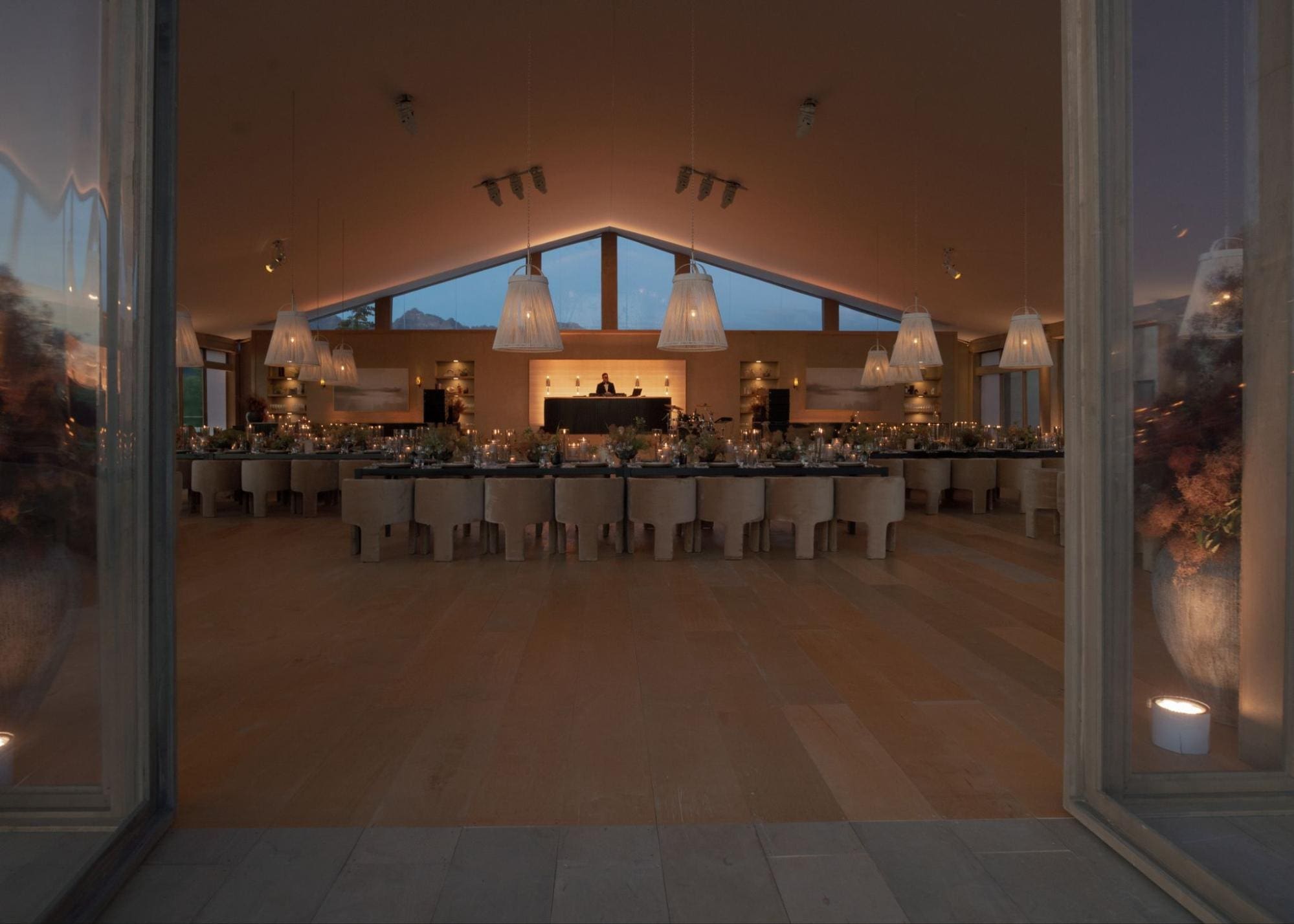
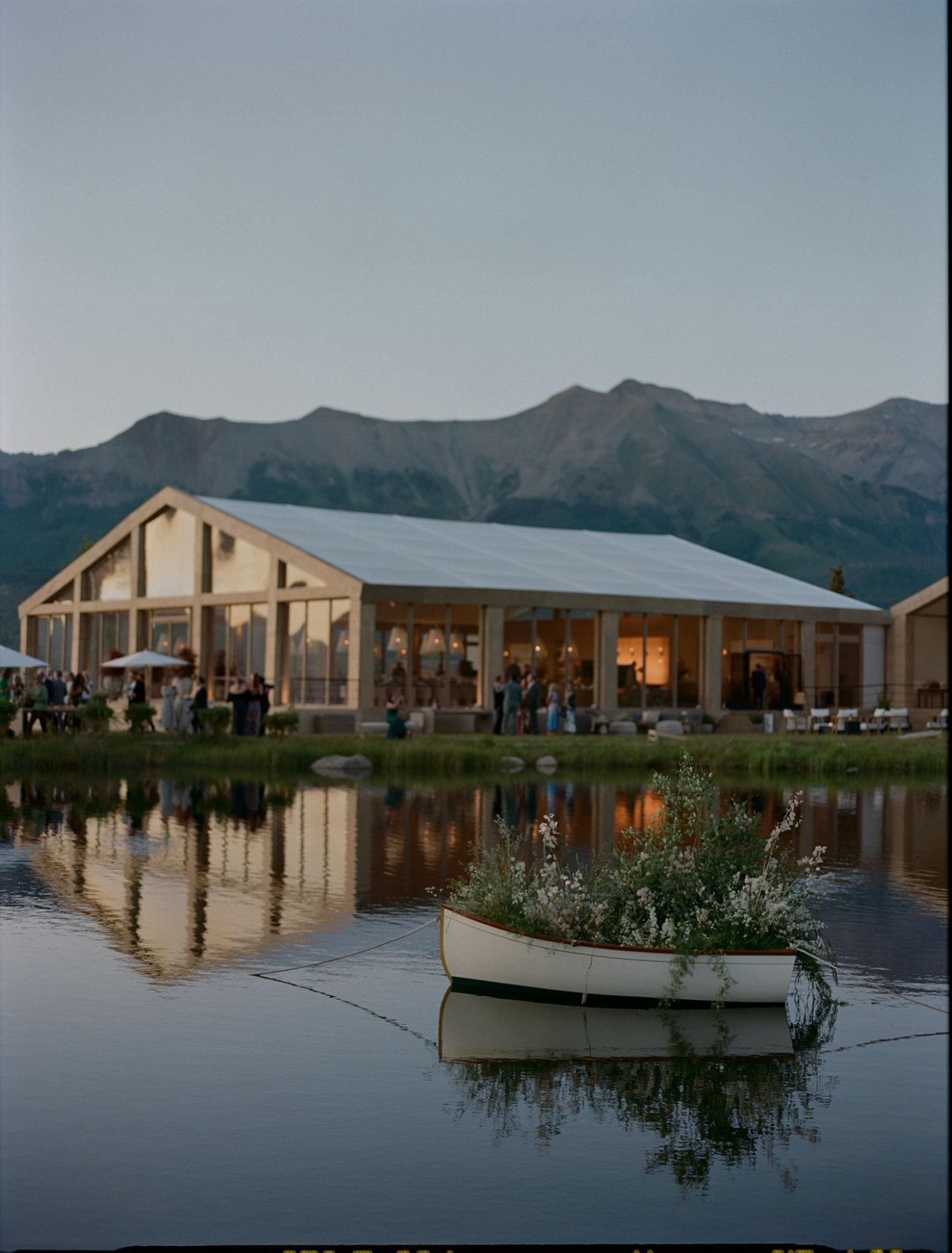
Traditionally, headcount has long been considered one of the clearest cost drivers in both tented weddings and weddings overall. Larger guest counts require larger tents, more extensive flooring, additional restrooms, increased power distribution and significantly more labor behind the scenes. What appears to guests as a single beautiful evening is often days, sometimes weeks, of coordinated installation.
But there has also been growing conversation throughout the luxury wedding world around smaller guest counts paired with more curated customization.
Because the difference between a high-budget wedding and a truly luxury wedding is not always scale.
A highly customized 75-person celebration can easily cost more than a straightforward 250-person event. A smaller guest count does not necessarily mean simpler. Often, it means fewer guests, but every detail is elevated: from custom flooring and layered lighting to highly personalized dining experiences and complex property installations.
That is where customization, site conditions and logistics begin to matter just as much as headcount.
Then there is the type of tent itself.
Sailcloth tents remain beloved for their softness and romance, particularly for outdoor weddings where couples want the structure to feel organic against the landscape. Frame and clear-top tents, meanwhile, allow for more customized layouts and dramatic lighting design, though they often require more extensive structural support behind the scenes.
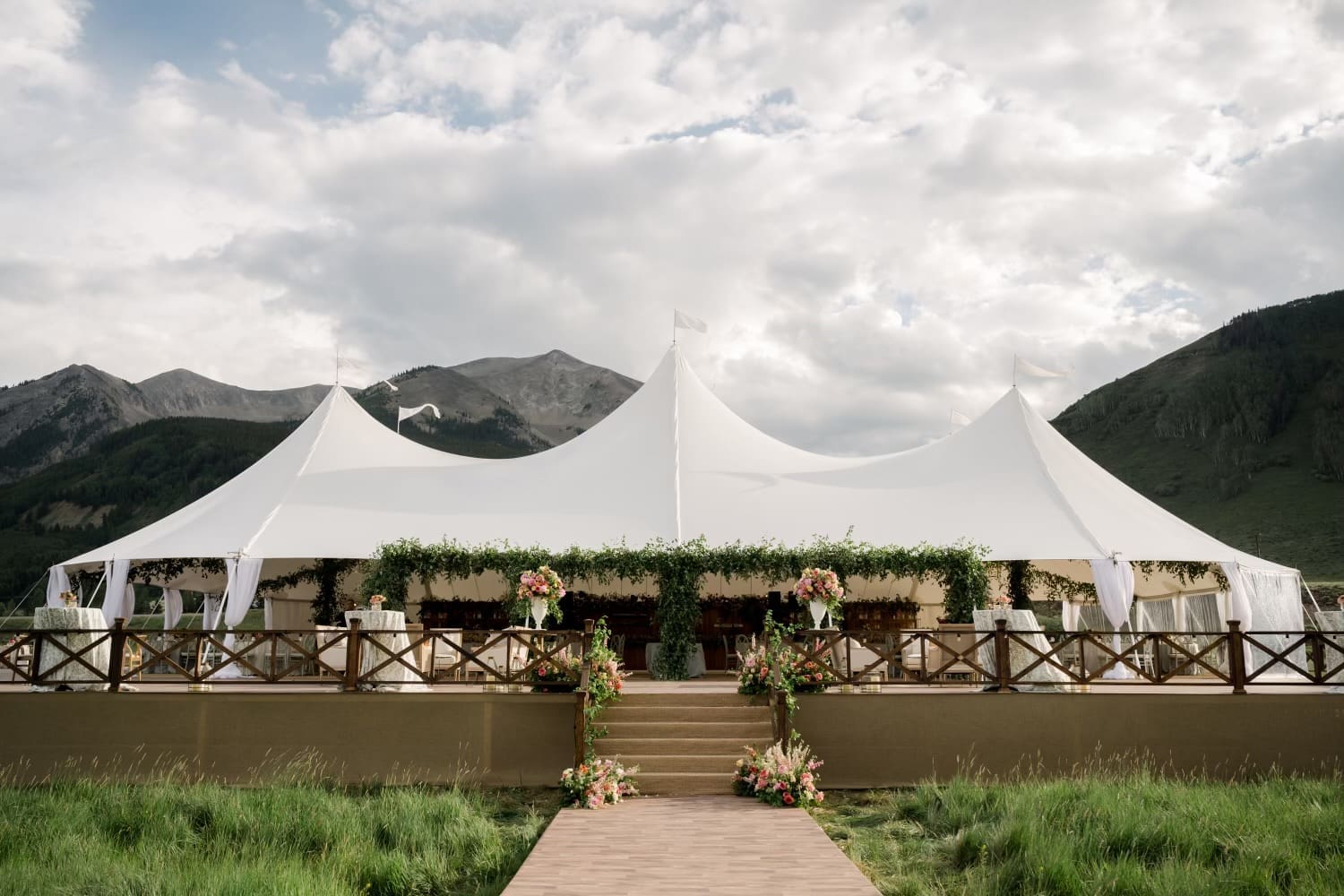
But seasoned planners will tell you the property beneath the tent often matters even more than the tent itself.
A flat lawn with easy vendor access is ideal. A sloped ranch, uneven terrain or remote private estate introduces a completely different level of production complexity. Some of the most beautiful properties require extensive groundwork simply to create a stable environment for guests. Floors may need to be engineered and leveled. Additional crews may be required to transport equipment across difficult terrain. What feels magical by candlelight often begins as a logistical puzzle solved quietly behind the scenes.
Flooring alone can dramatically change both the guest experience and the overall investment.
Some couples embrace the beauty of grass beneath a sailcloth canopy. Others opt for carpet, sea grass or custom stained hardwood plank flooring to create a more refined environment within the tent. Particularly for black-tie celebrations or multi-day wedding weekends, flooring becomes less of an aesthetic enhancement and more of an essential layer of comfort.
Then there are the invisible details quietly shaping the guest experience: power distribution, climate control, restroom installations and the logistical coordination required to make everything feel seamless once guests arrive. The best tented weddings are often defined not by what guests notice, but by what they never have to think about at all.
Tented weddings are rarely about excess for the sake of excess. They are about creating an environment where guests feel taken care of before they ever realize why.
The beauty of a tented wedding is that it’s uniquely yours. Every detail, from the layout to the lighting, is built around your guests and the experience you want to create.
For smaller-scale tented weddings, infrastructure and tenting costs often begin around the $25,000 to $50,000 range. Think of this as the timeless designer clutch: simple, functional and beautifully executed. These celebrations are often hosted on straightforward properties with minimal customization, where the focus remains on refined details rather than large-scale production. At this level, couples are typically investing in a standard, sailcloth tent structure, foundational power, minimal or grass flooring and standard restroom accommodations.
As budgets move into the $50,000 to $100,000 range, the wedding begins to feel more like the classic Coach bag: polished, elevated and intentionally upgraded. Couples often begin layering in upgraded tent styles, subflooring, carpet or vinyl flooring, expanded climate control and elevated restroom experiences. The event still feels intimate, but the guest experience becomes noticeably more refined.
Once infrastructure investments move into the $100,000 to $250,000 range, tented weddings begin feeling less like temporary installations and more like fully custom venues. This is the Prada level: design-forward, elevated and highly curated. Larger structure footprints, upgraded finishes, expanded HVAC systems and more complex site builds become increasingly common, with customization and property conditions often shaping the budget just as much as guest count itself.
By the time a tented wedding reaches the $250,000 to $600,000 range, the experience becomes deeply immersive. Think Chanel: timeless, architectural and unmistakably luxurious. Clear-top structures, custom frame finishes, premium flooring installations and layered climate control systems work together to create an atmosphere where guests often stop realizing they are inside a tent at all.
And then there are the Hermès Birkin weddings of the tented world — celebrations where infrastructure alone can exceed $600,000 to well over seven figures. These are no longer simply tent rentals, but full-scale luxury event productions requiring complete property transformations. Fully customized structures, engineered flooring systems, layered ceiling installations and large-scale destination logistics become part of the equation.
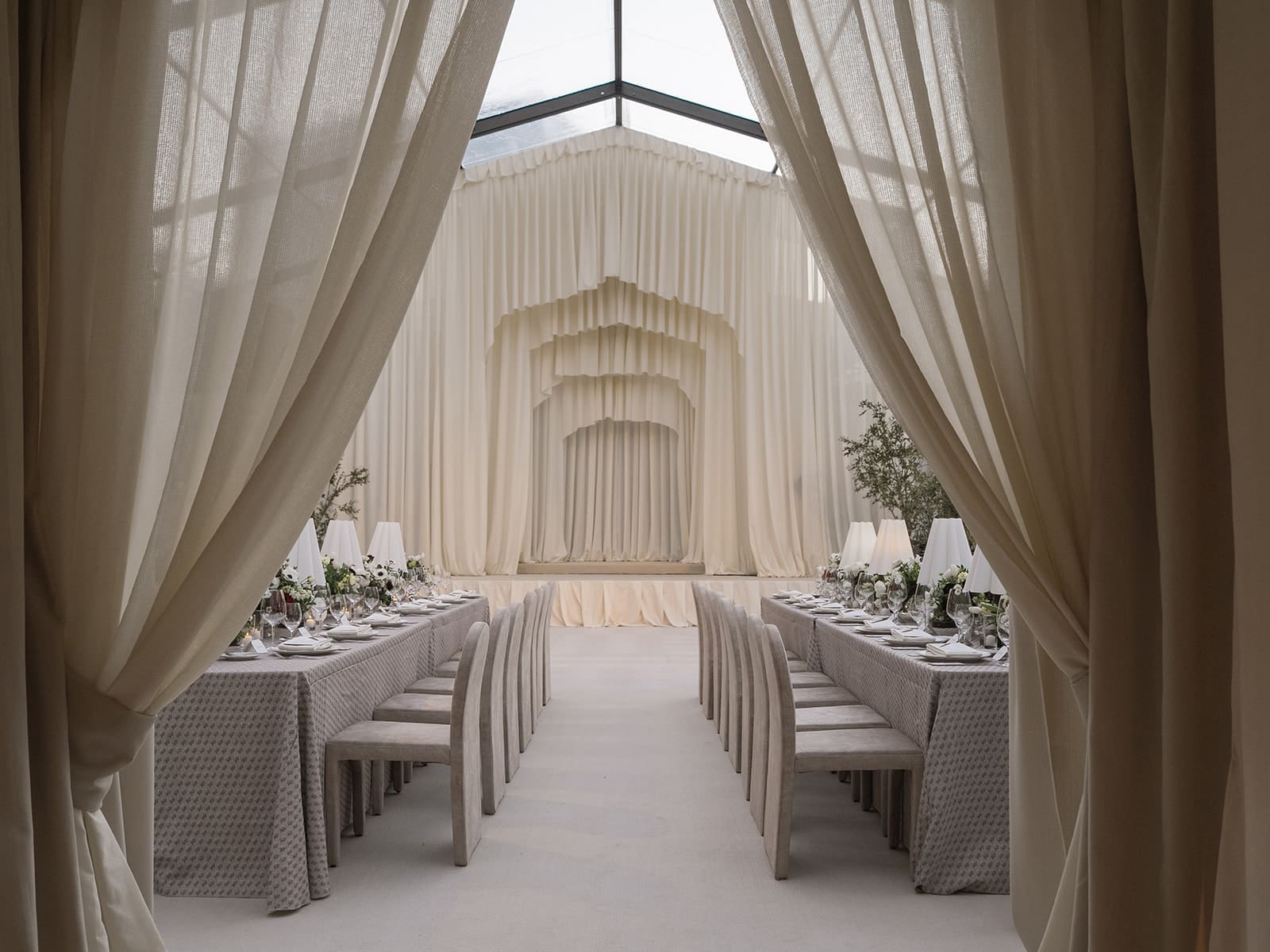
At that level, the tent itself becomes less of a structure and more of a form of temporary luxury architecture.
Importantly, those figures typically reflect infrastructure alone. Not floral design, entertainment, catering or full-service planning.
But with that freedom comes complexity, which is why thoughtful planning matters from the very beginning.
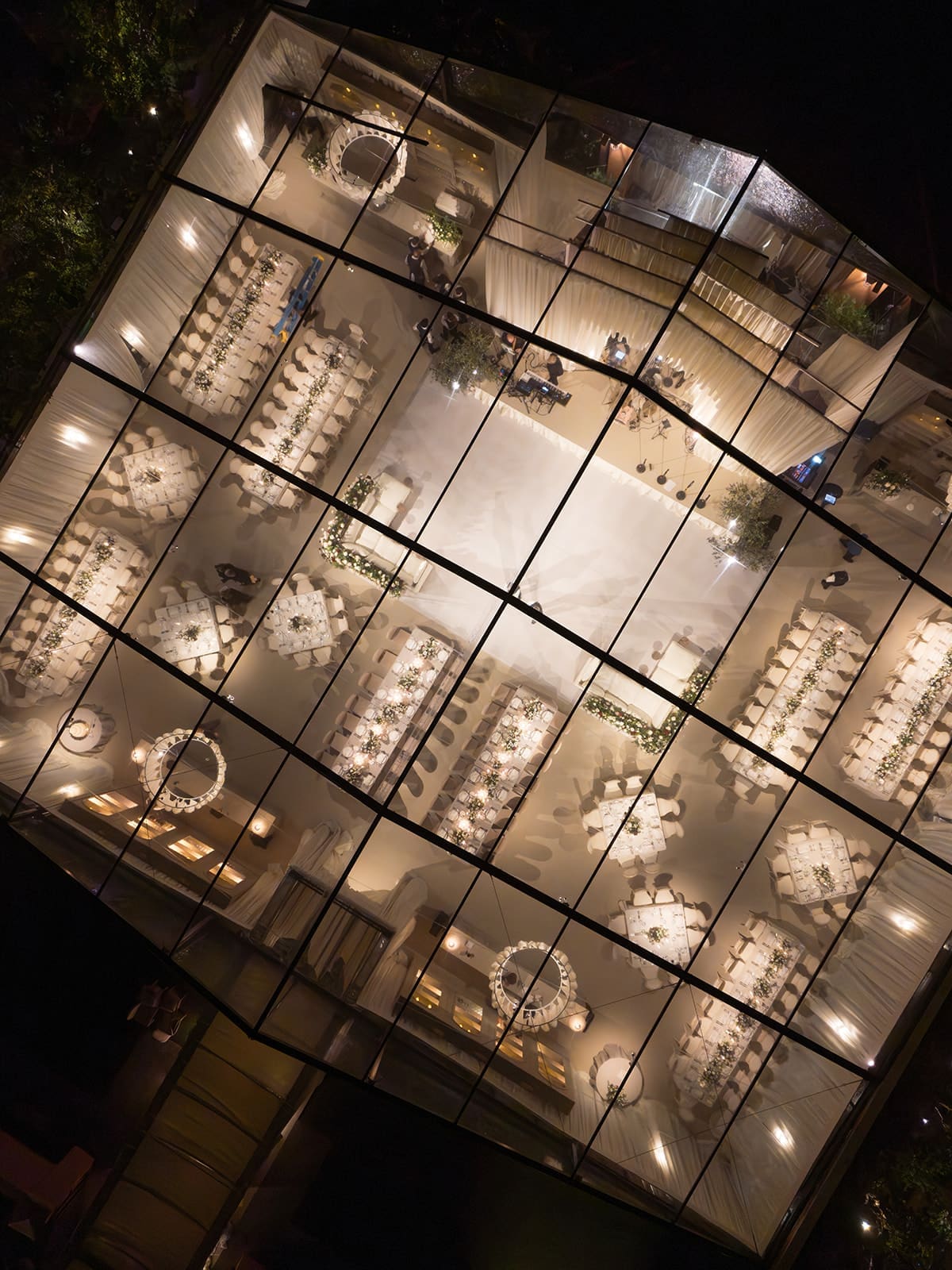
The most successful tented weddings begin with clarity: a realistic guest count, an experienced production team and a property that aligns with the scale of the vision. Because infrastructure is not separate from the guest experience, it is the guest experience.
Power, flooring, restrooms and climate control may not be the details guests remember by name, but they are often the reason an evening feels seamless once everyone arrives.
And perhaps most importantly, trust the realities of the environment you are building within. Weather shifts. Remote properties require additional support. Investing in the infrastructure that protects the comfort of your guests is rarely the glamorous part of the budget, but it is often what allows a celebration to feel effortless in the end.
Still, couples continue to choose tented weddings for one reason above all else: no other type of celebration feels quite as personal. Because the goal is never for guests to notice the production. It is for them to remember how the evening felt.
The most memorable tented weddings are rarely about excess, but about creating a world that feels storied, immersive and unforgettable.
There is something meaningful about gathering people beneath open skies in a place that means something specific to you. A childhood backyard where your hand prints are pressed in the driveway. Or a family ranch that represents generations of hard work, resilience and love. Or a field transformed for one extraordinary weekend before quietly returning to itself once the last candle has burned out.
Perhaps that is the real magic of a tented wedding.
Not simply the beauty of the tent itself, but the temporary world created beneath it, one built purposefully, artfully and entirely for the people gathered there.


Perfect explanation of the true costs associated with tented weddings and why they are magical, but logistically complex. Kudos!